
We love our dogs, but sometimes they drive us crazy. Unless you have the perfect dog who listens to your every desire and whim, you’ve felt this too. If you have that perfect dog now, count your lucky stars. If you keep inviting dogs into your life, you’re bound to run into one that isn’t so perfect.
If you have ever had a dog blow you off and felt like pulling your hair out, this article is for you.
Even as a dog trainer, my own dog has times when she drives me up the wall. It would be a lie to say that our entire relationship is perfect, filled with harmony and connection.
It isn’t.
There are days where my girl and I are at odds. She wants one thing, I want another. We are both living, breathing beings with our own thoughts, emotions, and motivations.
It would be so easy to call my dog stubborn when she doesn’t do what I ask her to. It would be so easy to throw my hands up in the air and say it just isn’t possible to work on training certain things because it’s just who she is. It’s something about her, not me.
It’s harder to admit that there’s a hole in our training and relationship, and it’s harder to not only make a training plan to help us both, but to see it through. To do that, I have to throw away that stubborn label and take a good long look in the mirror. I have to be objective, thoughtful, and willing to change my behavior to help my dog. That is a lot harder. But it’s worth it and our relationship is better for it.
So if you’re here to better understand your “stubborn” dog, welcome. You are not alone.
This article is here for you and we hope the information provided will give you opportunities to not only understand your dog better, but to grow your relationship together and foster the connection you’re looking for when you think about throwing in the towel. “Stubborn” dogs can be trained and they can learn. But the secret to getting there is learning ourselves.
Let’s start with the definition of the word “stubborn” before we dive in deeper.
According to Oxford Languages (via Google search), stubborn is “having or showing dogged determination not to change one’s attitude or position on something, especially in spite of good arguments or reasons to do so.”

(The irony is not lost on us that the word “dogged” is in the definition itself.)
A lack of change in attitude fits what we see from the outside when we ask our dogs to do something and they proceed not to do it. It is especially fitting when we ask multiple times and the dog doesn’t show any change in their behavior. The second part of the definition is where people get the most hung up: “in spite of good arguments or reasons to do so.”
Unfortunately, dogs don’t natively speak the same language as us. While they can learn to communicate with us, trying to reason with a dog the way you would an adult human just doesn’t work out the same way. (And even then, it does depend on the adult human!)
A dog’s perspective on the world is vastly different from ours. Dogs don’t understand that streets are dangerous places to hang out. They don’t understand that the tasty, hot chicken fresh out of the oven will burn their mouth, or maybe they don’t understand the consequences of a burnt mouth.
A really common example is dogs not understanding that their vet team is trying to keep them healthy and safe. Why would someone who is poking and prodding you in uncomfortable ways actually be a trustworthy person and why would you let them do that?

To dogs, our human world does not make sense and is a complete mess.
But why won’t your dog change their “attitude” or “position” on something? And how can you work around this?
Here are some items to consider when figuring out why your dog isn’t performing the behavior you want to see. As professionals, we see these crop up all the time.
1. The dog doesn’t actually know what we are asking them to do, or we have made the task too difficult to figure out.

This one throws most people for a loop, and it isn’t surprising why. When you have seen your dog respond to you before and do exactly what you want, it can be confusing when you ask for a behavior and they don’t perform. For example, many dogs know what come when called means while they are inside the house. You might even just be able to say your dog’s name and they come trotting to find you.
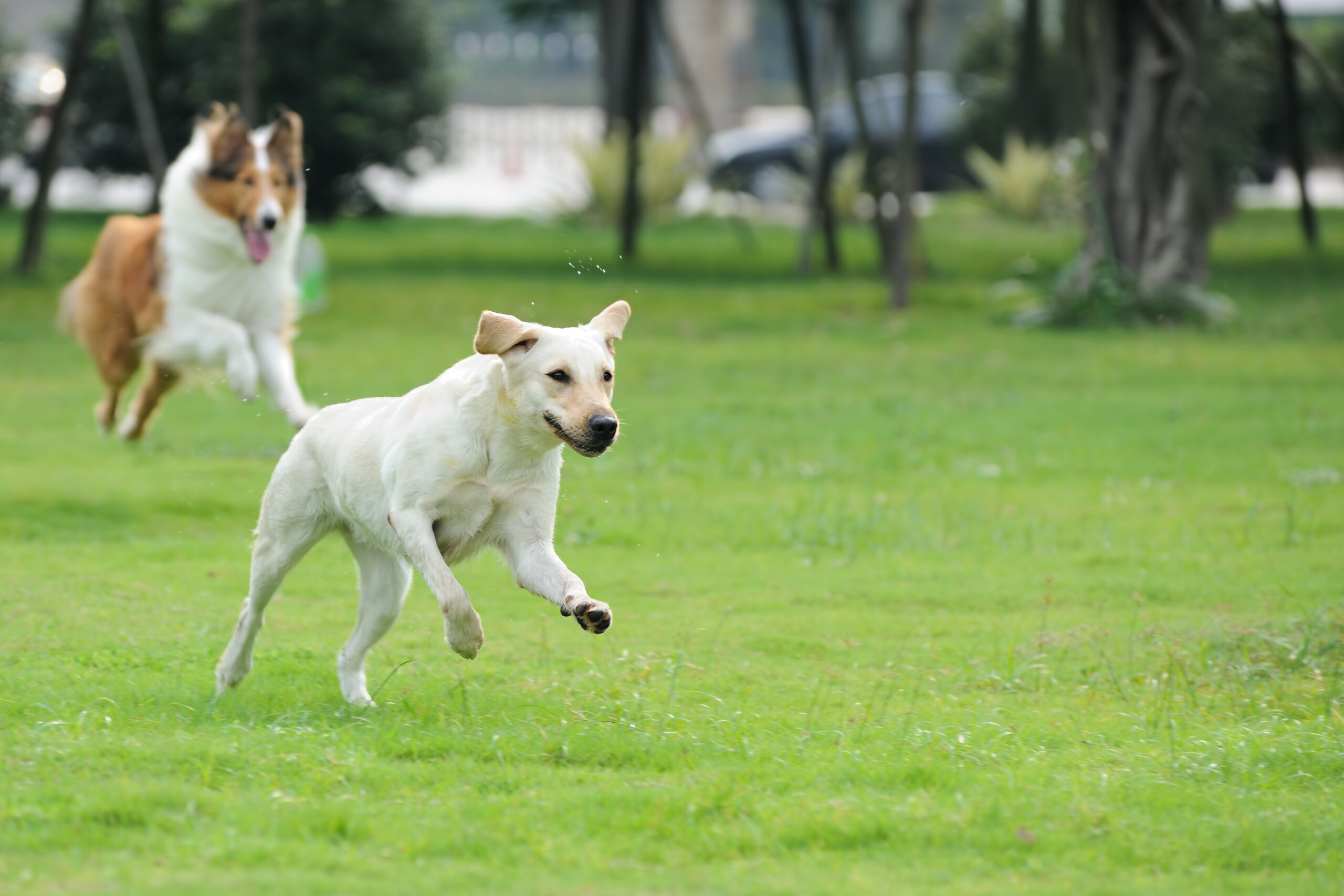
Outside, however, the magic is gone. You go to your back yard or to a park and suddenly your dog doesn’t seem to know their own name. Why won’t they respond here but respond just fine at home?
Dogs read context when they learn skills. If you have only taught come when called in the house, that is the only place your dog may understand it. It makes sense in the house. When they come, they get attention, praise, and maybe access to fun. It’s possible they weren’t doing anything too exciting when you called them. Outside, however, is a whole different world. Applying the same skill across different contexts doesn’t look the same to the dog.
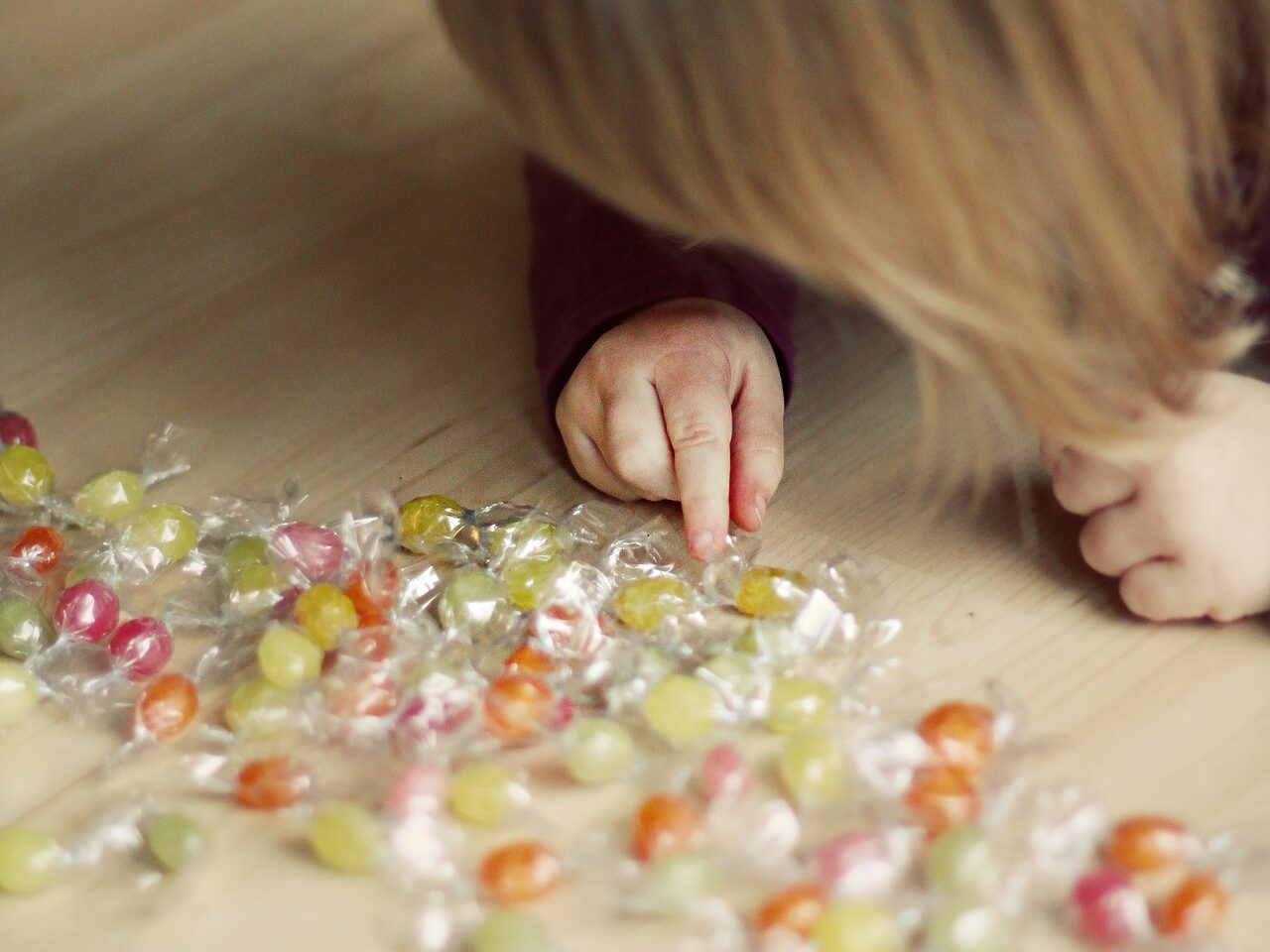
It’s helpful to think about this like math word problems done in school. You can teach a person how to add two numbers together, but applying the skill to a real life situation takes practice. When teaching addition in the real world, it’s common that a new learner needs the skill re-taught. The skill being used in a different context takes some guidance.
Another example is learning how to do a partner dance. You can learn how to do your own steps first without music and without a partner. Once you add in a partner and music, the task becomes more challenging and looks different. Maybe you’ll fumble your way through, but you’re likely to make mistakes along the way until you get in a flow state. Making too many mistakes might cause you to give up entirely.
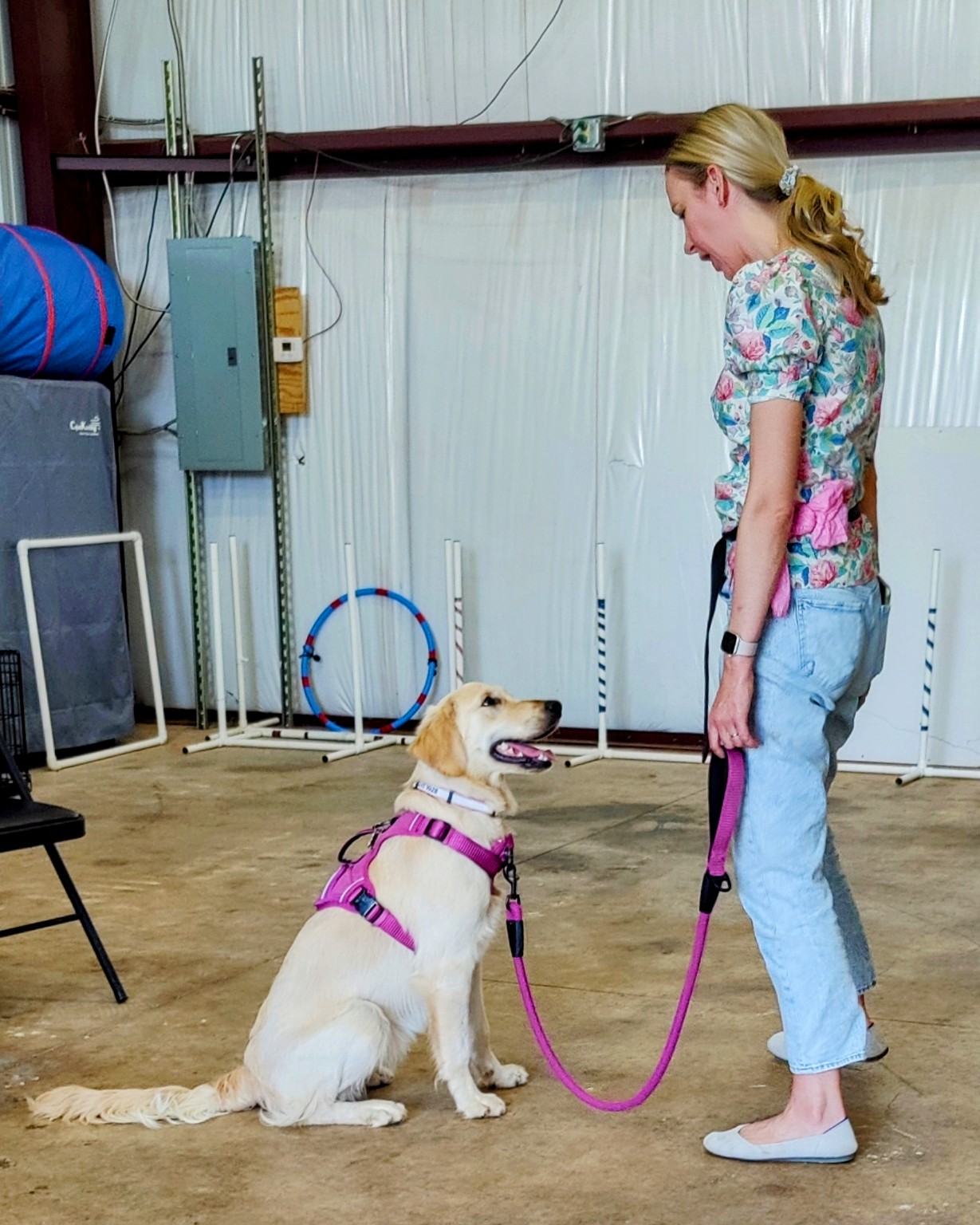
How can we fix this issue? By breaking down the training plan into smaller pieces. When we make one part of the picture harder, we have to make the task easier to start. Once we see the dog understanding what they are doing, we can move onto making the task harder in small steps.
If you’re struggling to break your training plan down into smaller pieces, a professional trainer can help. A pro can take a look at the big picture and get creative with setting dogs and their humans up for success. Every dog and human is an individual, and taking an individual approach to training makes all the difference when you’re feeling stuck.
2. Doing the behavior is not worth the effort or we have accidentally punished the behavior.

When we ask dogs to do tasks, there are times when we up the challenge of the game without increasing the reward. For example, inside the house you may reward your dog with a hard biscuit for coming to you when called. They like this game and do just fine with it.
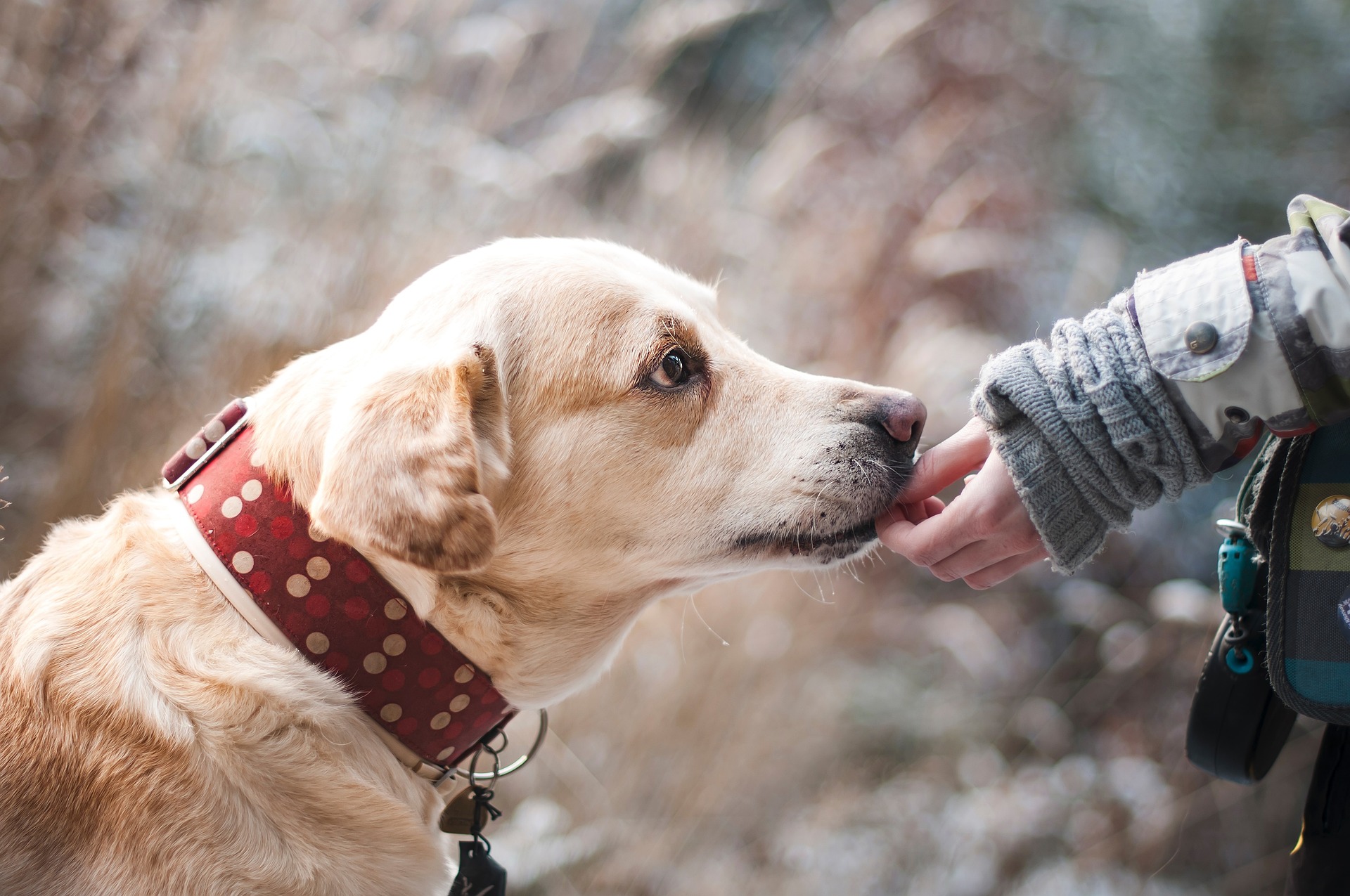
Then you try this game again when you have let the dog outside and need to call them back in so you can go to work. You call the dog, give them the same reward, and then take them back inside the house and ignore them.
For many dogs, you have just taught two things with this scenario.
- When you come to humans away from all the fun stuff outdoors, they just give you an okay treat.
- When you come to humans away from all the fun stuff outdoors, they take you inside and the fun ends.
Unknowingly, you have just punished your dog for coming inside. Sure, a treat is nice, but for most dogs the aversiveness of getting ignored and then being bored far outweighs the treat they just received. Outside holds smells, animals, sounds, and sights that are always changing and interesting. Inside, things are more stagnant. It’s the same old, same old.
Fortunately, this fix is very straightforward in concept. Unfortunately, if this has been a problem for a while, it’s going to take some time for the dog to re-learn that the behavior of coming inside is worth it. The straightforward answer is to use a higher value reward and teach that come when called doesn’t mean the end of fun for your dog. This can take some time to work through and involves breaking down the recall into smaller achievements to rebuild trust.
If you’re wondering why your dog has stopped listening to your cues, take a look at what has happened immediately after they have done the behavior in the past for clues. Getting a professional trainer to help you reteach cues that are successful from the start can make all the difference and you’ll see faster results than going it alone.
3. The dog doesn’t feel safe doing the task asked of them.
As professionals, we learn to read dogs as a part of our job. In order to work with a dog, you need to make sure that the dog feels safe and secure. A dog who doesn’t feel safe or secure isn’t going to be in a good position to learn new skills, learn the next phase in older skills, or perform skills they have been good at in the past with consistency.

Many times, dogs’ feelings and emotions go unnoticed by their human companions. While there can be similar body language signals shared between dogs and people, dogs have their own body language cues when they are uncomfortable. These often get misread by humans who have not been taught how to read dogs.
Learning dog body language is a skill and it is taught.
Let’s take a look at an example of how this might play out in the real world:
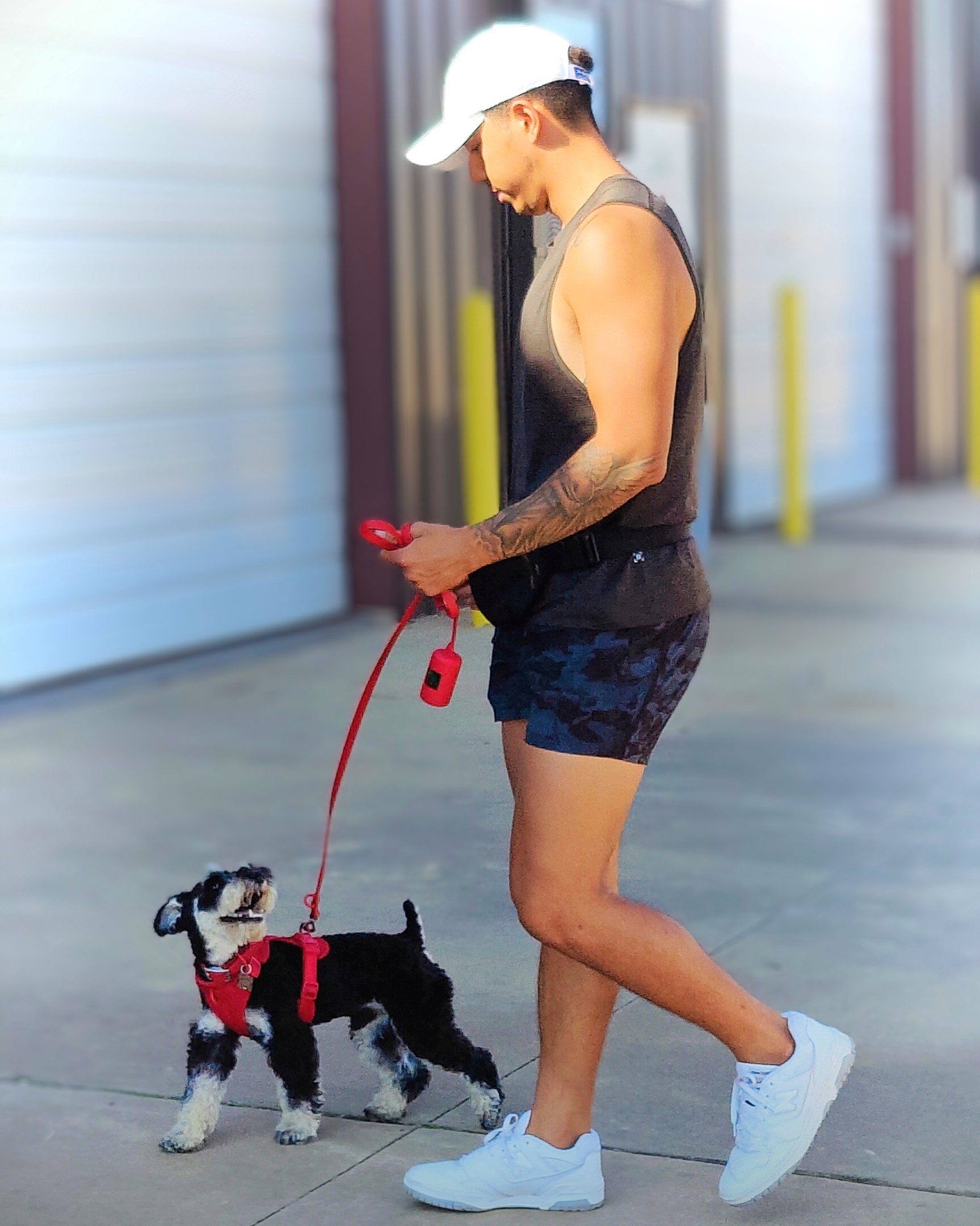
You’re taking a walk with your dog in the neighborhood and come to an intersection you need your dog to sit and wait at before you cross. Your dog has sat at this intersection before no problem, but today they refuse to sit. They even refuse to look at you. The way they are turning their head away looks like they are just ignoring everything you’re saying. Even pulling out a cookie you have in your pocket to convince them isn’t working this time. What is going on?
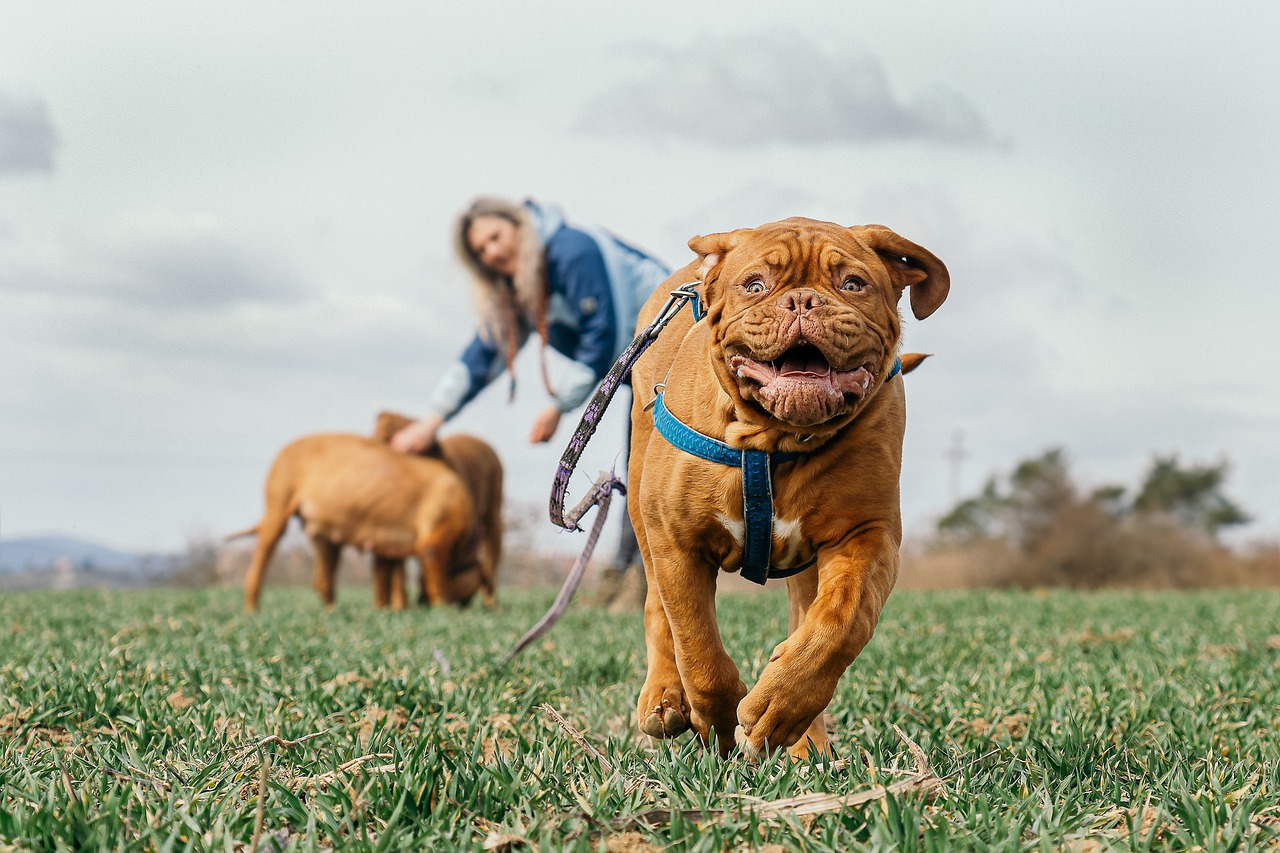
If you were to look around the environment for a bit longer, you may notice something that wasn’t present other times before: a big, exuberant dog pulling at the end of their leash coming towards you from ten yards away.
Sit is a vulnerable position for dogs. It’s much safer for a dog to stand when they are uncomfortable so they can move away at a moment’s notice. And even if the dog approaching is friendly, he’s coming off like a bulldozer, a wild card. If your dog is on leash, they’re already trapped. They know they can’t run away from the oncoming dog. Their only choice now is to stand their ground and be ready for what comes. They don’t know when you’ll tell them it’s time to cross the street to get away from the other dog. They’re already stuck, and they’re not about to make it worse on themselves.
Calling this dog stubborn doesn’t help us solve the problem. It doesn’t take into account that the dog has a very good reason for not sitting, and we are unable to recognize the reason. If anything, our insistence on sitting could be seen as stubborn.
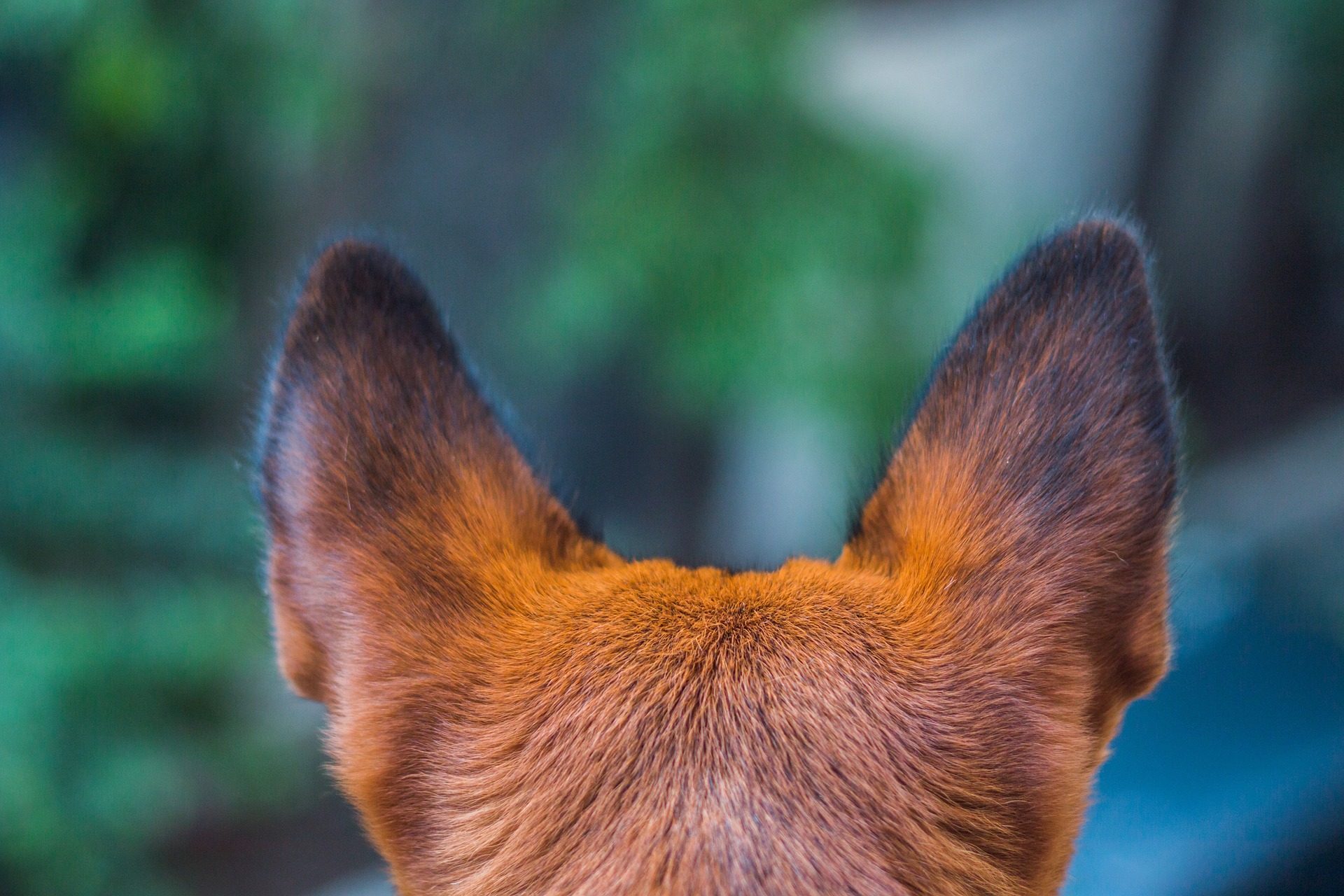
The next time your dog doesn’t follow through on a cue they’ve done hundreds of times before, take a look at their body language and the environment for clues. When we know the root of the problem, it gets easier to manage and train through the situation.
In the case of the exuberant dog example, it would be understandable to move away from the situation and allow your dog space to let the other dog pass before asking for a sit at a crosswalk.
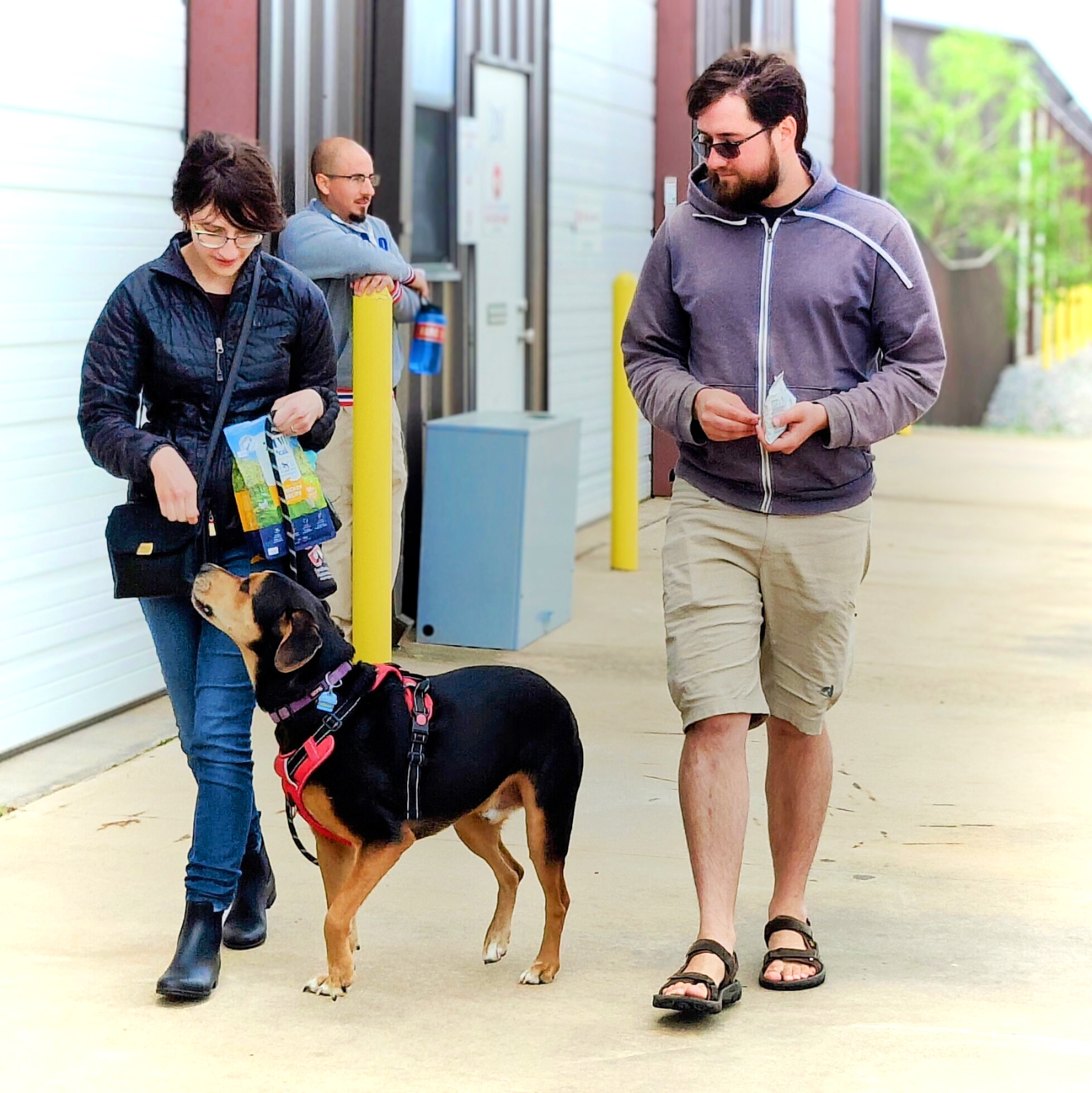
If the dog is fearful of something that isn’t going to hurt them in the slightest, it’s important to help and support them. This can take time and a professional trainer can help you identify what is going on and solve the issue by re-framing how your dog perceives the trigger causing them concern. Doing this takes a slow approach and having an experienced professional on board allows you and your dog to make progress faster.
4. The dog has an unmet need that is not being addressed.
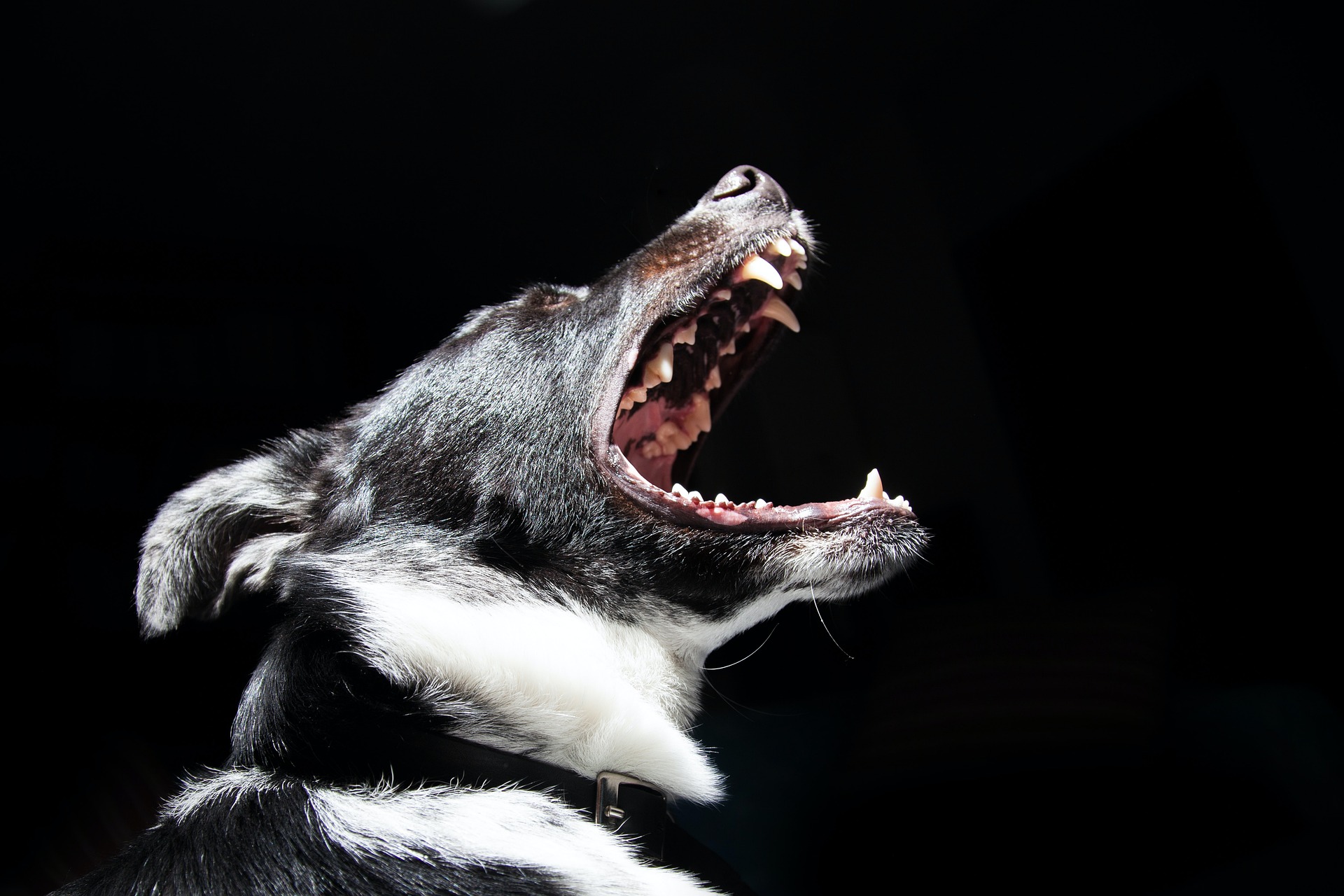
This one can feel similar to the issues of not feeling safe. However, an unmet need can look like many things. One example:
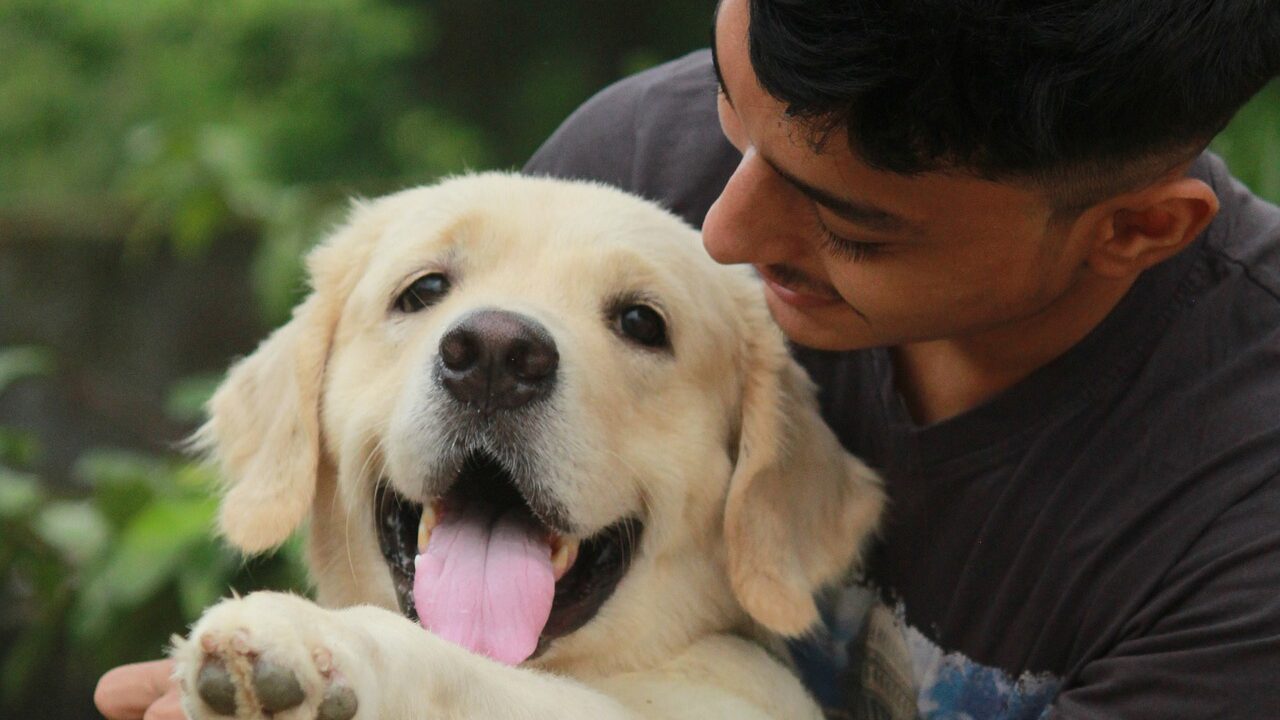
You have an excited, energetic, young puppy. Your wonderful puppy is reaching an age where they’re sleeping less and their growth has slowed down drastically. It seems like they’ve been bouncing off the walls.
A few weeks ago, they had no problem sitting to be pet by you and guests who walked through the front door. Now, they’re refusing to sit. Nothing about the situation has changed on your end, but the more you ask them to sit, the more antsy and jumpy they get.
As puppies grow up, they spend a lot of their first few months of life sleeping. Their bodies are rapidly growing and changing, and it wears them out.

When they get older and their growth slows or comes in spurts, they have all this excess energy bottled up. It’s not being used on growing anymore and needs a new outlet. Upping opportunities for physical exercise and cardio is necessary to keep a puppy happy and healthy.
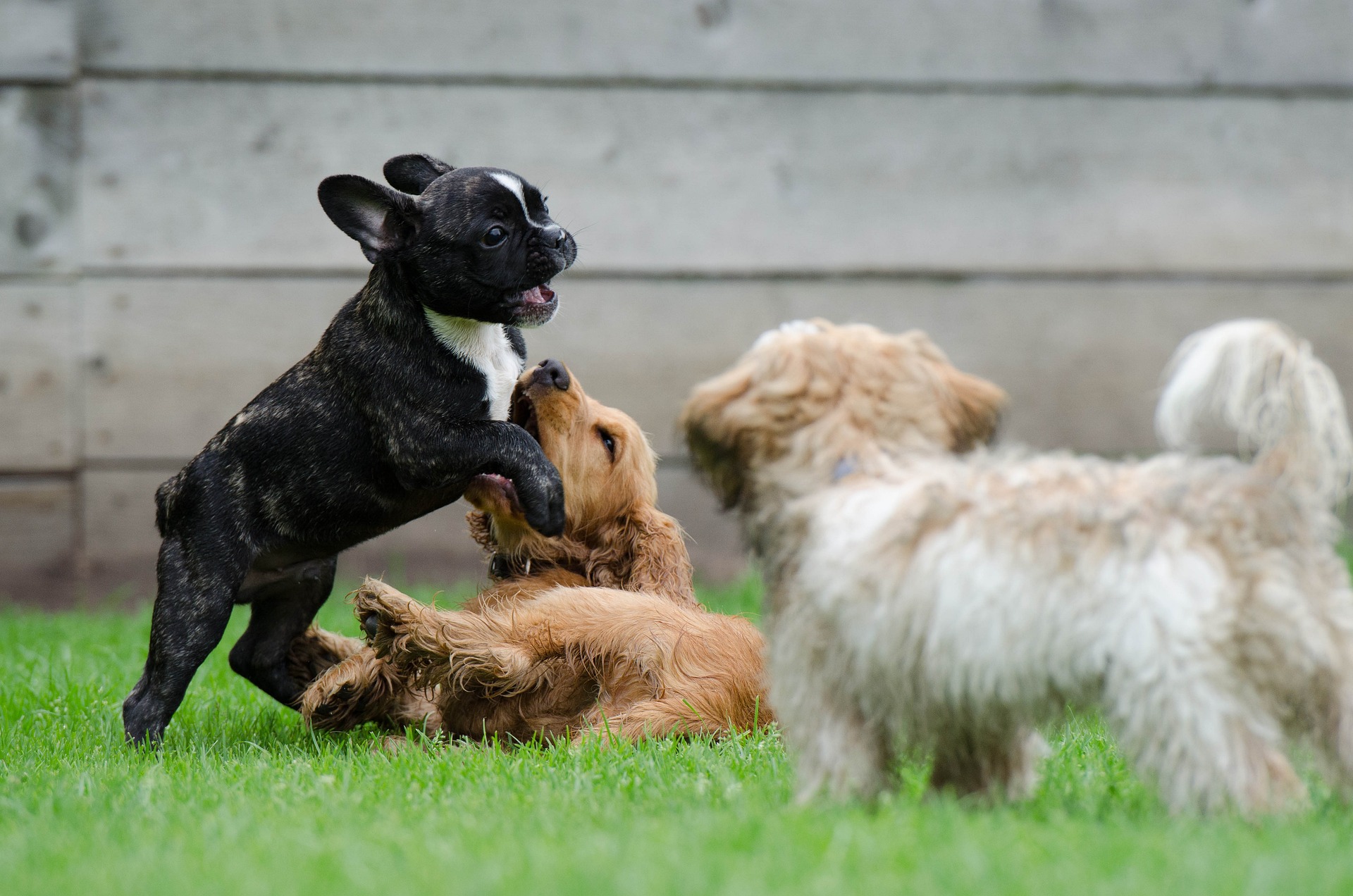
Much like children in school get recess time, puppies and dogs need outlets for their energy in order to properly focus and pay attention to tasks. Bottling up energy and then being expected to sit still and be quiet is a recipe for disaster.
So when your dog is refusing to do something, it’s important to look at their needs. Are their mental, physical, and emotional needs being met? A dog who needs to play and run does not want to sit still and be pet. A dog who is overly tired does not want to get up and do a bunch of training drills. A dog who needs to use their brain and is bored out of their mind does not want to lounge with you on the couch and do nothing.
When brainstorming solutions, professional trainers look at the needs of the humans and the dogs they work with. Meeting everyone’s needs is important and your dog having an unknown, unmet need will put holes in even the best laid training plans.
If you’re feeling stuck, having a professional trainer help you find ways to meet your dog’s needs could be the difference between success and frustration. They’re even able to help you identify your dog’s needs and how to best get those needs met so you can reach a resolution sooner.
5. The behavior is painful.
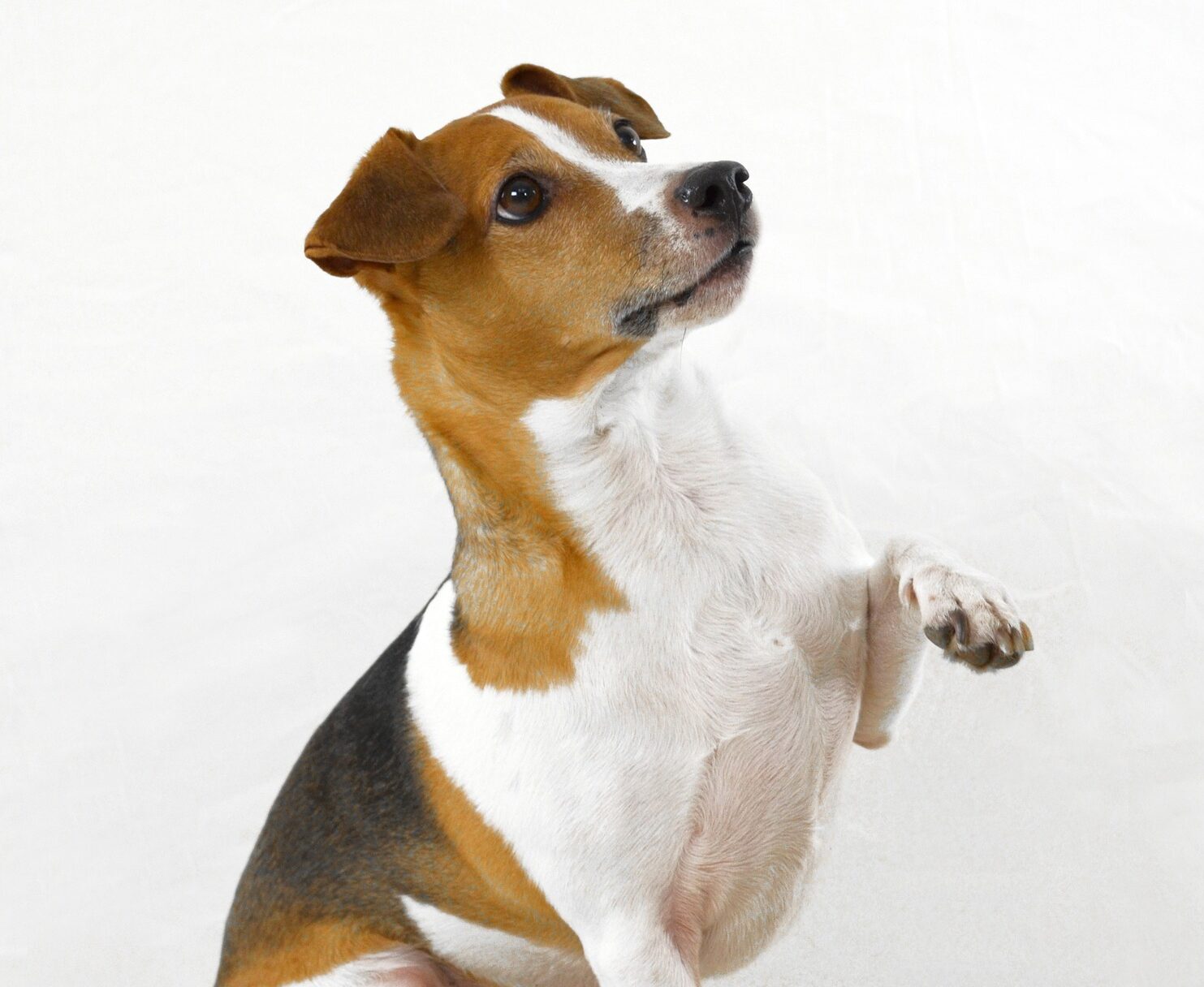
This one is similar to having an unmet need, but we felt it was so important that we wanted to address it as its own variable. Dogs are really good at hiding discomfort. So good at it, in fact, that many animals with major behavior problems who are treated by a veterinarian for pain see drastic improvements in behavior.1 Many pain problems can go undetected by pet parents, and there are even times when dogs can be very good at masking their pain around veterinarians.
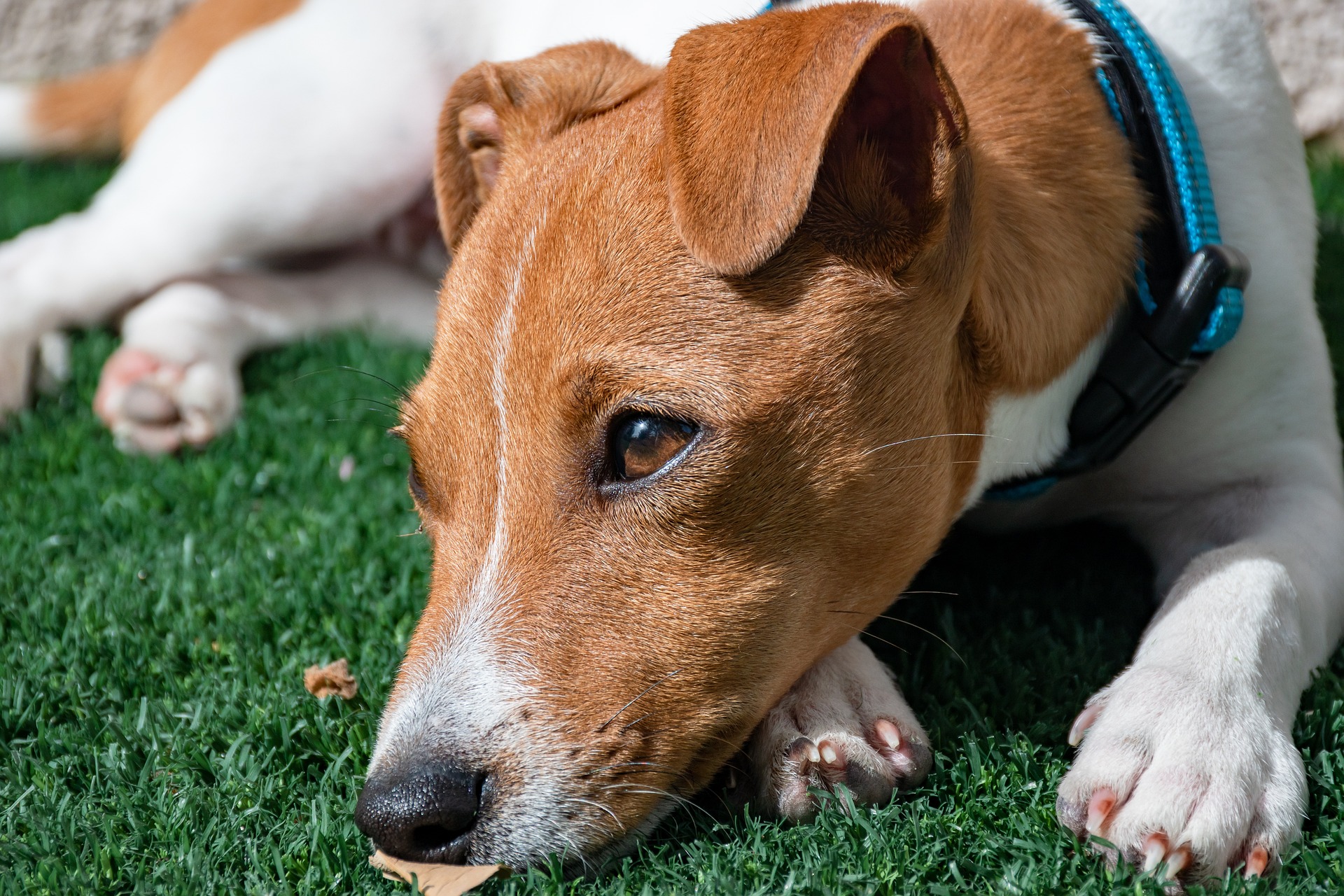
Many cues we want our dog to perform require physical effort in some form or fashion. We want them to sit, come, lay down, stay, or go to a certain space. If moving is difficult or painful for the dog, you might see reluctance or hesitation. Even stay can require more physical effort for a dog in pain. Holding a sit or a down can get uncomfortable on joints or sore muscles.
Even if the behavior itself isn’t painful, pain can still be a factor when figuring out why your dog is refusing to do something. Maybe the task itself isn’t painful, but being in pain can make any of us cranky and want to work less. Even if you have a high pain tolerance, there’s still going to be an upper limit of what you are willing to do and focus on. At a certain point, it’s more rewarding to rest when in pain than to get goodies for working while in pain.
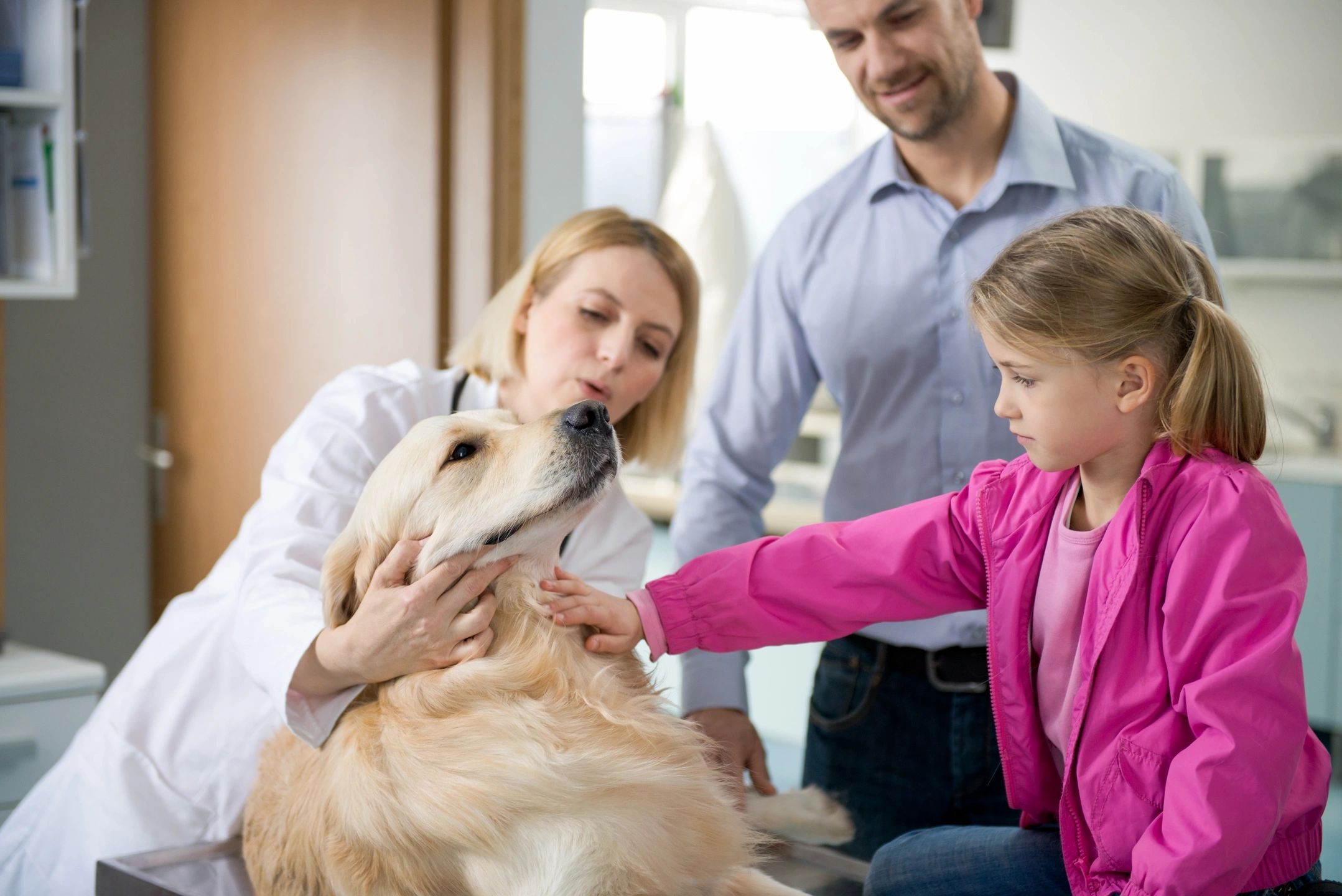
If you suspect pain, having an in depth conversation with your vet can help. Identifying pain can be a process and it is best to work with your trusted veterinary team to help your dog. And even when pain is gone, it can take time for dogs to feel comfortable doing certain physical activities again, especially if the pain has been chronic. They have to re-learn that the movement is no longer painful.
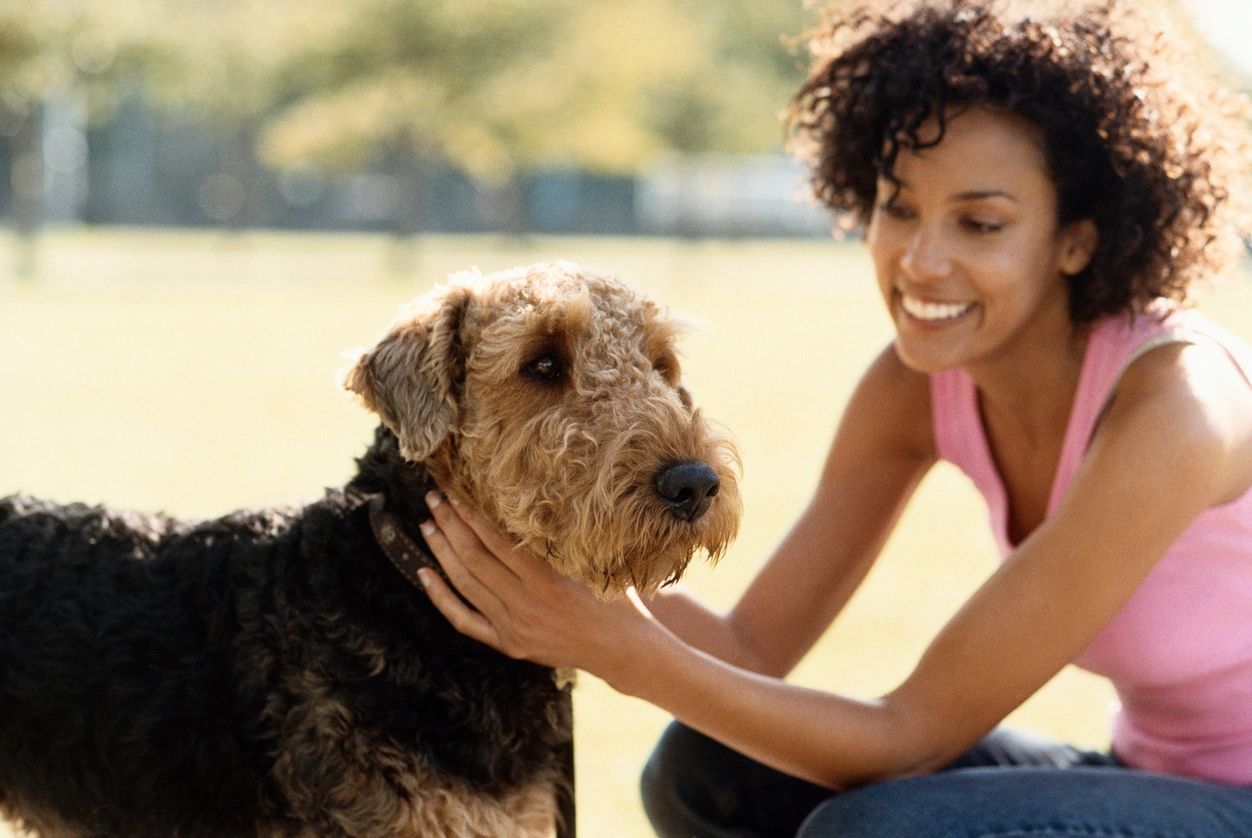
We hope this article has helped you gain some insight into the different reasons why your dog isn’t doing what you ask them to do. Getting a professional trainer on board makes all the difference when you are looking to resolve these issues. A pro can help you break down a training plan and set you on the path towards success. You don’t have to go it alone.
If you’re in need of professional training assistance, we can help. At Really Good Pets, we train dogs of all breeds, sizes, and temperaments. We can help you achieve your training goals with compassion and care using our scientifically-backed training programs.
Claim your initial consultation and learn more about how we can help you get to where you want to be with your dog.
- Mills, D. S., Demontigny-Bédard, I., Gruen, M., Klinck, M. P., McPeake, K. J., Barcelos, A. M., Hewison, L., Van Haevermaet, H., Denenberg, S., Hauser, H., Koch, C., Ballantyne, K., Wilson, C., Mathkari, C. V., Pounder, J., Garcia, E., Darder, P., Fatjó, J., & Levine, E. (2020). Pain and Problem Behavior in Cats and Dogs. Animals : an open access journal from MDPI, 10(2), 318. https://doi.org/10.3390/ani10020318 ↩︎